Probate clearance in Manchester: a guide for executors
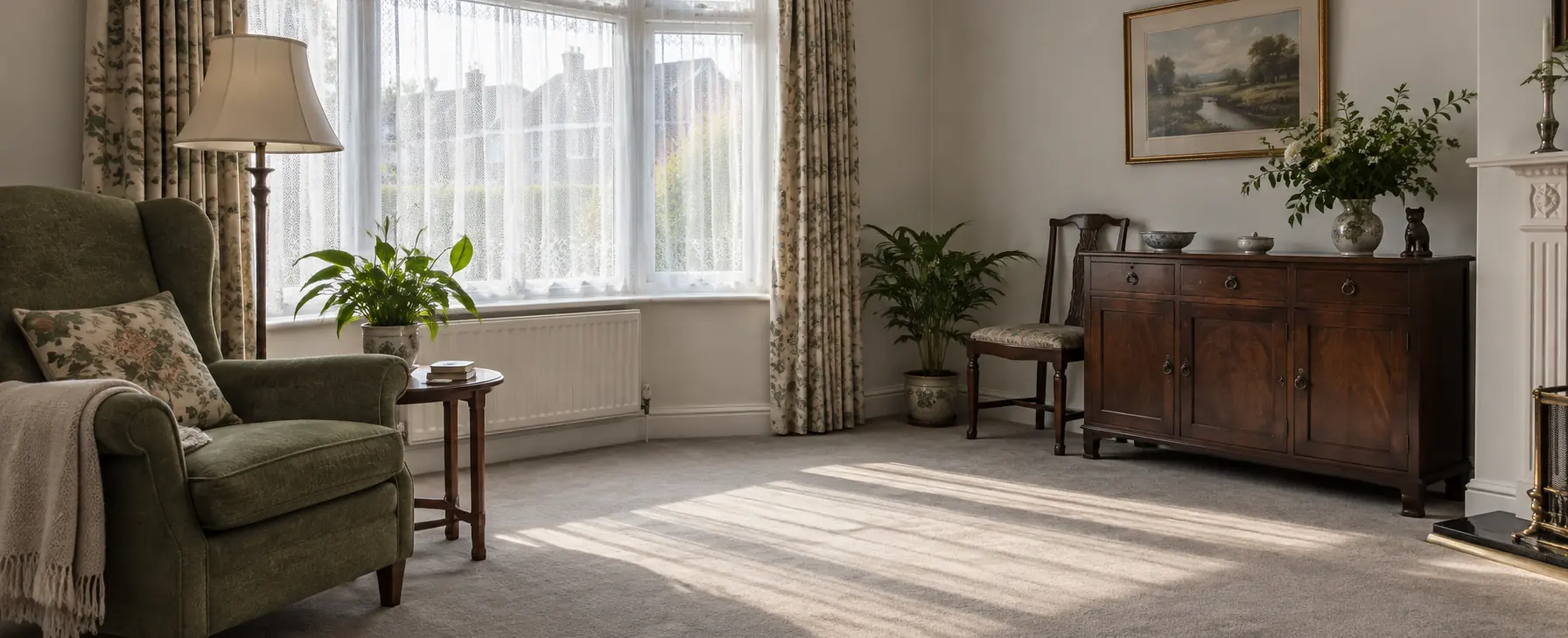
Clearing a house after a death is the part of being an executor nobody briefs you on. Here is the order of work, what it tends to cost, and the mistakes that are expensive to undo.
If you are an executor, the clearance sits in an awkward place. You cannot finish the estate without it, you often cannot start it until probate is granted, and in the meantime there is a property sitting empty with bills attached.
Do the valuation before the clearance
This is the one that costs people money. Anything of value has to be accounted for in the estate before it leaves the house. Furniture, jewellery, tools, collections, even a garage full of what looks like scrap: get it looked at first. A clearance firm arriving before a valuer is how an estate loses an asset it was supposed to declare.
Once the valuation is done, resale can work in your favour. Where a clearance turns up items with a genuine market, the proceeds can offset the cost of the clearance itself, and occasionally cover it outright.
The fees you will actually meet
For the probate application itself, the Probate Registry fee is £526 for estates valued above £5,000, and nothing at or below that. It rose from £300 on 13 July 2026, so older guidance you find online will understate it. Solicitor costs vary a great deal and are usually charged by the hour, so ask for an estimate of the hours as well as the rate: the hours are what moves the final bill.
Clearance is priced separately and differently. Our own house clearance charges are based on the time the job takes and the cost of disposing of or recycling whatever cannot be reused, agreed before we start. There is a fuller breakdown in what a house clearance costs.
A sensible order of work
- Secure the property and find the paperwork: deeds, policies, utility accounts
- Get anything potentially valuable valued, in writing
- Separate what beneficiaries want to keep, and label it clearly
- Book the clearance for after probate is granted, unless the property is at risk
- Keep the waste transfer note with the estate records
Working around solicitors and agents
Most probate clearances in Manchester get booked by a solicitor, an executor living out of the area, or an estate agent who needs the house empty for photographs. All three want the same things:
- A price agreed up front
- A date that holds
- Documentation afterwards
If you are coordinating from another city, photographs of each room are enough for us to price the job without you travelling. Send them through the quote form.
And if the timing is tight because of a completion date or a tenancy deadline, say so early. It usually changes what we can offer.